Strong Community Ties and Innovative Practices in a Rural Setting: Kendall Elementary School Case Study Now Available
Summer is almost here and the NYKids team is releasing new case studies of positive outlier elementary schools throughout New York State!
The current study of elementary schools explores four areas of import for educators, policymakers, and researchers:
- Academic learning and programming
- Social-emotional learning and youth mental health
- Educator preparation, support and organizational capacity
- Family engagement and community relationships.
Our latest report – now available here – features Kendall Elementary school, a rural school which uses its small size and strong connections to community to its advantage!
At Kendall “everybody knows the kids” (teacher) and school is a welcoming place where, as many noted, students feel safe and happy. The school celebrates academic success with pride, yet staff are consistently making efforts to innovate and improve the school. High expectations and a shared culture under the district’s slogan “One Family, One School, One Community,” help maintain a positive environment that allows teachers to focus on teaching while ensuring students receive the support they need.
The three highlights from our report are:
Innovating and Improving at all Levels
If we notice an area of need, and we know of something, whether somebody has used it, we can bring it to the table and say, “Hey, here’s this area of need. We see this is something that we know has been helpful in other places.” [Leaders] are open to really letting us explore those things. – teacher
All educators and staff members at Kendall reported being encouraged to bring new ideas to the table to support the academic performance and overall well-being of students. This culture of innovation is shared across the entire school; cafeteria workers, bus drivers, and teaching assistants are invited to contribute new ideas to improve the school. Without layers of decision-making authority, the school district is able to quickly implement new programs and practices and drive innovation. While many educators at Kendall articulated pride in their many accomplishments, there is a consistent effort to improve all aspects of the school. As one district leader noted, “You don’t have to be bad to get better.”
Making School Enjoyable for Students and Staff
I want teachers to be happy teaching; I want them to enjoy being here. – principal.
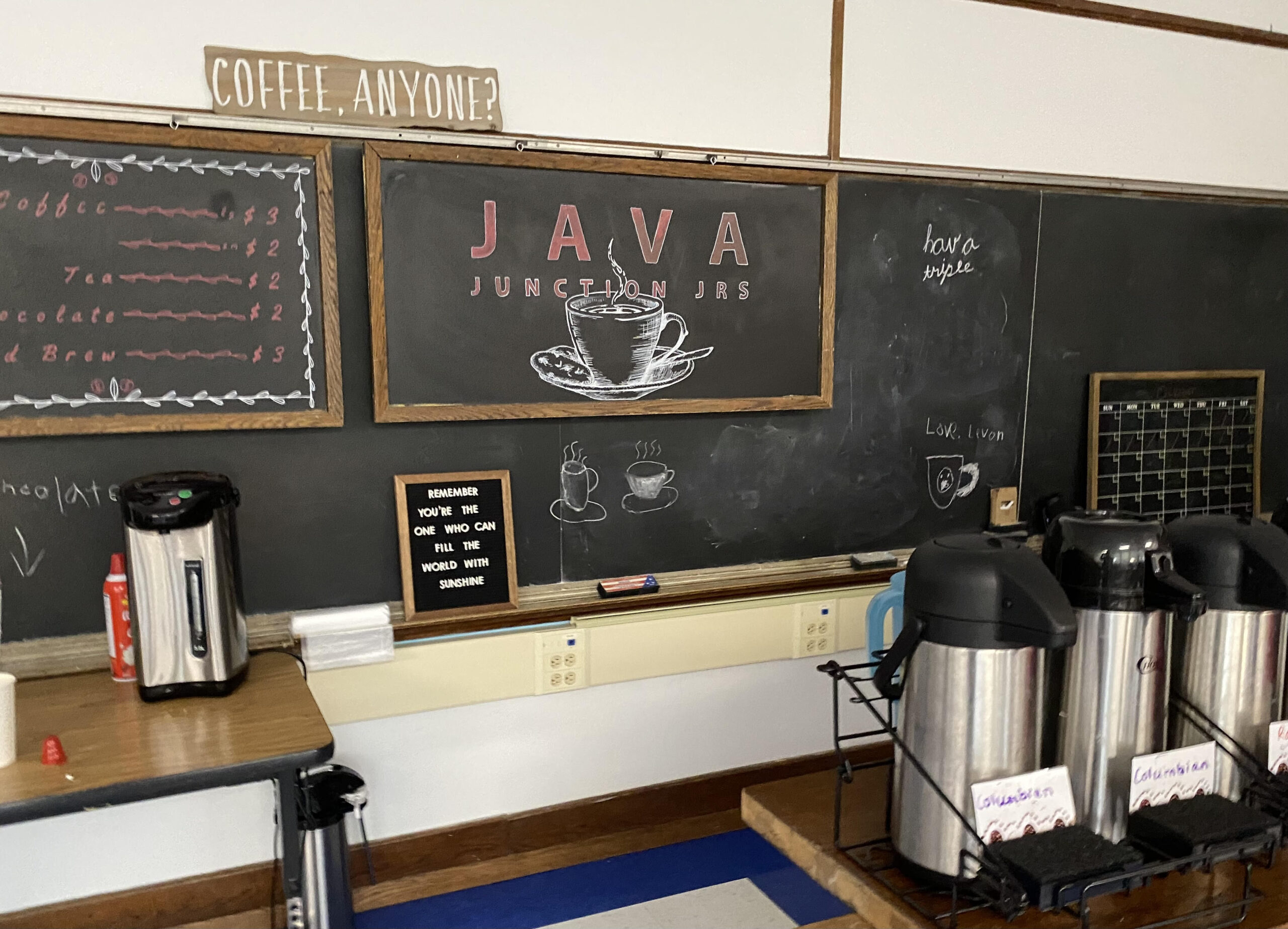
A goal mentioned repeatedly by educators at Kendall was to create an enjoyable school environment for students. Making school “fun” was described by teachers and leaders as a way not only to foster student engagement but also increase attendance. Through assemblies and events – often student-led – as well as extracurricular and community-based activities, educators at Kendall created a range of positive incentives for students to come to school and enjoy their time there. Leaders also made intentional efforts to make Kendall an enjoyable place for staff to work, as well. Staff members reported that they generally felt supported and that their voices were heard by leaders. In addition, the emphasis on high behavioral expectations at Kendall helped to reduce the stress levels of teachers. “I’m not expecting chaos the second I walk in the doors . . . which is nice,” said one teacher.
Teamwork Driven by a Shared Vision
Everybody works as a team in this district. – support staff
Kendall Elementary is characterized by collaborative relationships between staff members who work closely together with one another to meet the needs of their student population. With a small staff, educators were able to communicate regularly with one another to offer support to colleagues or share information about a particular student. “We’re really close as a teaching staff, and we communicate with each other all the time,” noted one teacher. Recognizing that “there’s a lot of experts in the building” – as the principal put it – educators and staff endeavor to leverage the strengths and resources of individuals in order to solve problems and improve the educational experiences of students.
You can read the full case study here and continue to follow NYKids as we release more reports this summer!
For more information about NYKids’ research, please visit the NYKids website or contact the research team nykids@albany.edu.
You can also keep up with the latest news on LinkedIn, Facebook, Instagram, and Bluesky!
