
Portraits of the Philly Family: Child-First, Professional Empowerment, and Leadership for Adaptability
The latest NYKids case study is hitting your summer reading list! This time we are honored to share the story of Philadelphia Primary School (PS) – referred to fondly by educators and community members as “Philly”. This positive outlier elementary school is located in a rural region of New York’s North Country, just south of the Canadian border. While the local area is rooted in small-community life and generational family ties, the district encompasses a distinctively diverse population as it houses the Fort Drum military base.
With a greater than state average of students identified as economically disadvantaged – Philly and its staff, students, and families provide important insight on what success looks like in rural higher-poverty school contexts.
- Student-centered and relationship-driven
Philly school staff and leaders apply a child-first approach to academic and social-emotional learning support – strengthened by their small, close-knit community. This culture also paves the way for authentic connection as students feel valued and supported.
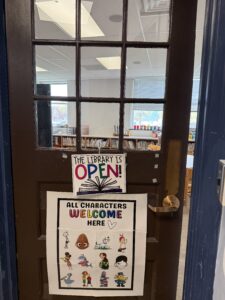 While keeping academics a priority, there is a continued effort among educators to support students’ social and emotional growth – along this vein, (and as we have found in prior NYKids research) multiple school structures provide space for peer and child-adult relationship building such as: small classroom sizes, Multi-Tiered Support teams cultivating shared responsibility in meeting children’s individual needs, a daily “check in, check out” system, creative clubs for development (e.g. shoe tying and ukelele clubs), and special family and community engagement events like Kids Night Out (KNO).
- Resources for professional learning and empowerment
Philly operates through an all-hands-on deck approach to supporting student learning while educators proceed with a balance between autonomy and collaboration in carrying out their roles. Meeting students’ needs is a distributed task, while educators report feeling supported in doing so within a professional atmosphere. As found in prior NYKids research, cultivating student agency to innovate and solve problems is also something that benefits teachers.
- Adaptive, Context-Responsive Leadership
The third highlight from the Philly PS case study speaks to the openness of Philly educators to embrace new approaches that are supporting every child within the high-needs rural context of the region. This openness coalesces with the unique diversity that the families coming from the Fort Drum military base bring to the community.
Additionally, as school leaders apply flexible practices to meet multifaceted needs, they continuously examine their practices and policy through internal review and align to educators’ needs through professional learning opportunities that are relevant to their day-to-day practice. Incorporating fresh ideas allows Philly leaders and educators to effectively address needs now and prepare for changes on the horizon.
Summing it Up
This case study highlights the ways educators in a small, rural, and high-needs school foster student well-being and academic performance through prioritizing diverse children’s needs, strong and trusting relationships, professional development, flexibility, and adaptive leadership. Findings from our study of Philly PS provide tangible examples of how conditions in positive outlier schools support young learners’ academic, social, and emotional needs.
Read the full case study here – and be sure to follow us and share our work on LinkedIn, Facebook, Instagram, and Bluesky!
For more information about NYKids’ research, please visit the NYKids website or contact the research team nykids@albany.edu.
