Governance That Learns: Continuous Improvement for School Boards in a Time of Transformation
By, Kristen C. Wilcox
On October 23rd, I am delighted to facilitate an interactive session at the New York State School Boards Association (NYSSBA) Annual Convention & Education Expo titled “Governance That Learns: Continuous Improvement Tips for School Boards from NYKids.”
Drawing on years of NYKids research and improvement work with schools across New York State, the session will explore how school boards can support meaningful, system-wide improvement in the context of New York’s evolving educational landscape.
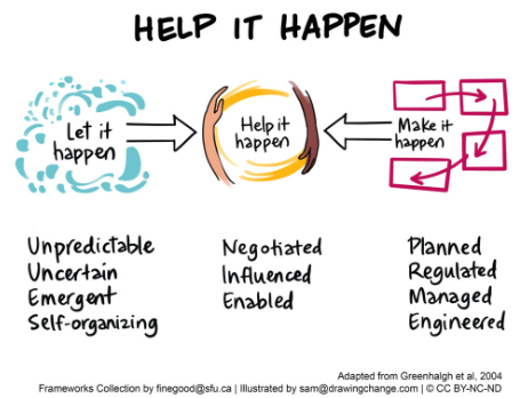
From Compliance-Oriented to Learner-Centered Designs: Helping it Happen
New York Inspires and the Portrait of a Graduate represent more than policy or framework shifts. They signal a broader rethinking of what roles educators play in caring for our children and youth and preparing them for lifelong learning.
If one of the major challenges in the moment is to redesign learning environments that intentionally cultivate the competencies laid out in NY Inspires and the Portrait of a Graduate, then what does the research say about how educational leaders and school board members can “help it happen”?
Three Big Ideas for Educational Leaders and Board Members
In this session I will focus on several key ideas:
- Improvement is a process, not a program.
Many districts struggle because they continually add new initiatives without building systems for learning from implementation. Effective schools establish routines for identifying priorities, testing changes, examining evidence, and adapting based on results. Improvement becomes ongoing work rather than a series of isolated projects.
- Governance matters.
School boards play a critical role in improvement efforts. Successful governance involves setting a clear direction, communicating a shared vision, establishing roles and responsibilities, providing resources, monitoring progress transparently, and responding to evidence and stakeholder feedback. When boards focus on learning and improvement rather than solely regulation or the opposite—self-organizing, they can help create conditions where innovation is more likely to succeed.
- Coherence is essential.
As districts work to align with the aspirations of New York Inspires and the Portrait of a Graduate, leaders and BOEs must resist the temptation to pursue numerous disconnected reforms. Instead, improvement efforts should be anchored in a clear theory of action: identifying what their aim is, articulating how change is expected to occur, and aligning strategies and a monitoring system around that shared vision.
The NYKids COMPASS Process as a Resource
Convention participants will learn about NYKids COMPASS (+AIM). This innovation is a structured improvement process designed with guidance from NYKids Advisory Board members. COMPASS helps Boards and leadership teams draw on data, research, stakeholder feedback, and improvement science principles to identify priorities, select improvement levers, and implement sustainable changes.
Why This Matters Now
Public education is in a period of significant transition. The expectations embodied in New York Inspires and the Portrait of a Graduate call for educational systems that are more adaptive, learner-centered, and responsive than ever before. Meeting that challenge will require not only effective educators and leaders but also governing bodies capable of helping true transformation happen.
