“This school is just a family”: Read NYKids’ report on MLK Elementary School now!
The final case study from our study of Positive Outlier Elementary Schools is now available on our website!
Martin Luther King Jr. Elementary School (MLK) is located in the midsize city of Utica, New York. Serving just over 300 students in grades K-6, MLK reflects the city’s complex economic and cultural history. Nearly one-quarter of MLK students are multilingual learners, and nearly 100 percent are considered economically disadvantaged.
While the specialized needs of these students can pose challenges, educators at MLK draw on a school culture built on the values of care, compassion, and collaboration. Numerous educators, for instance, described the school as a “family” when asked to describe what it was like to work there. As one teacher put it, “I think we all support each other in this building, no matter what position you’re in.”
Our kids come from all over the world, and they love each other, and they support each other, and they support us. – MLK teacher
Highlights of MLK Elementary School
Positive Relationships Are at the Heart of Success
I’d say this school is just a family. We are all close, whether it be children and staff, staff in general . . . everybody [is] supporting each other. – support staff
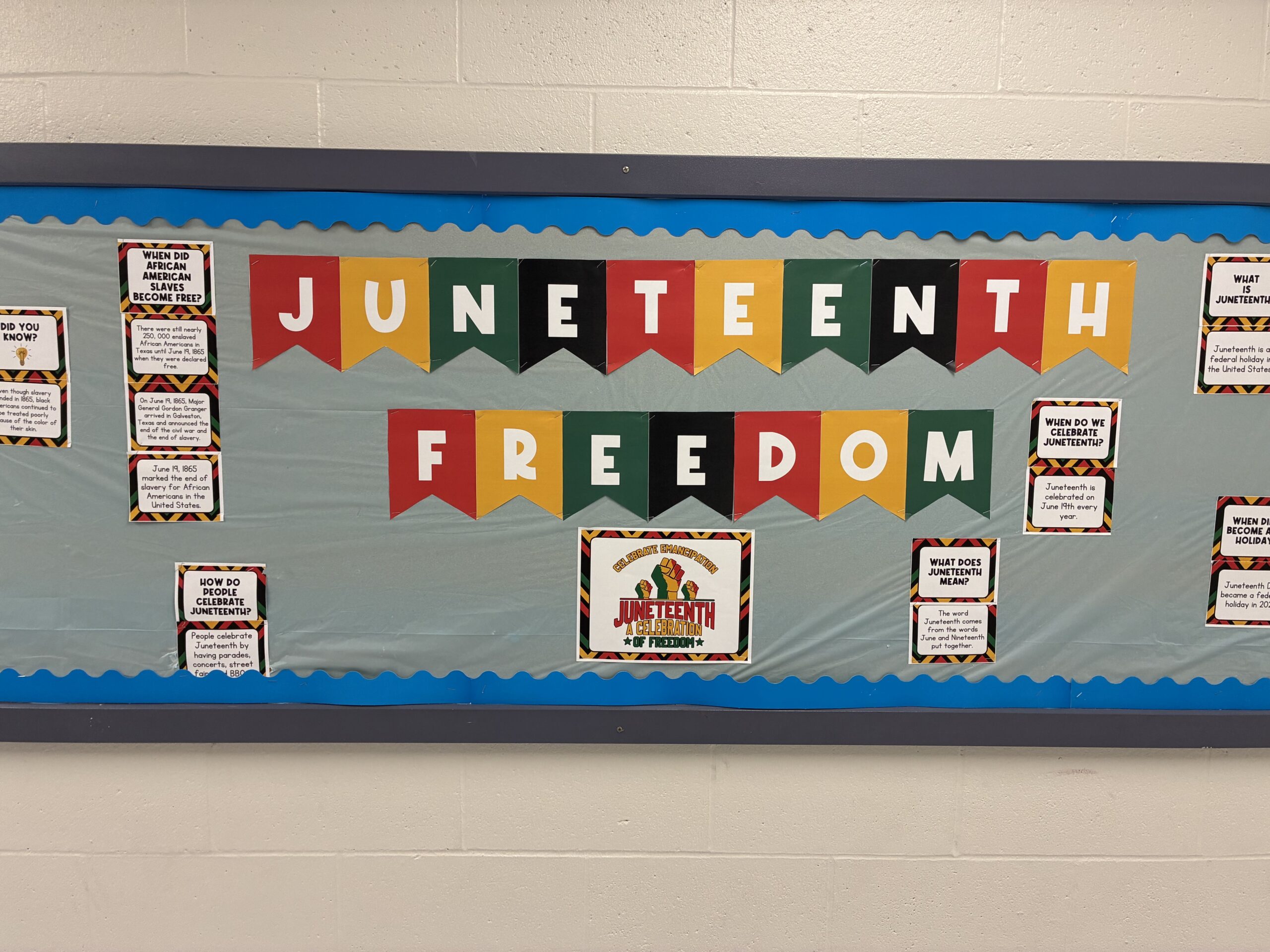 The positive relationships between educators and students were described by educators at MLK as a crucial feature of their school culture and a factor contributing to their successful outcomes. Making a concerted effort to build relationships with each and every student is seen by all staff members as something that is part of their role, not as a task isolated to support staff.
Educators thus strive to build an inclusive and welcoming environment for their students and recognize that academic learning is possible only when students feel safe and seen.
Systems of Support and Care
If you don’t address their social-emotional needs, it’s hard to address their academic needs. – district leader
Educators at MLK address their students’ mental health needs through a range of supports, services, and resources. In addition to part-time counselor and full-time social worker, students at MLK have access to additional counseling services through community-based organizations such as the Integrated Community Alternatives Network (ICAN) and Safe Schools Mohawk Valley.
Students’ well-being is also strengthened through social-emotional learning (SEL) programming embedded in lessons throughout the day, as well as in a robust after-school program. Educators also seek to develop positive character traits in their students through the use of restorative justice practices and a Positive Behavioral Interventions and Supports (PBIS) program.
Keeping Students Happy and Engaged
Kids are happy to be here. – teacher
Through a curriculum that is both rigorous and engaging, educators at MLK try to ensure that students are excited to come to school. They explained how they design programming at MLK to make certain that students are prepared for the latest state standards, while also ensuring that their culturally and linguistically diverse student population is represented in the curriculum.
The school also partners with local organizations such as the Utica Children’s Museum, Cornell Cooperative Extension, and SUNY Polytechnic Institute to provide students with engaging and hands-on activities and programming. These activities – including MLK Day celebrations that are held each quarter on random days to promote attendance – make sure that students not only attend school but that they enjoy their time there.
Wrapping it all up
Described by many educators as a “family,” MLK Elementary School is characterized by inclusivity and collaboration. Educators explained how they strive to celebrate the diverse cultural and linguistic backgrounds of their students and ensure their identities and interests are represented in curricular offerings.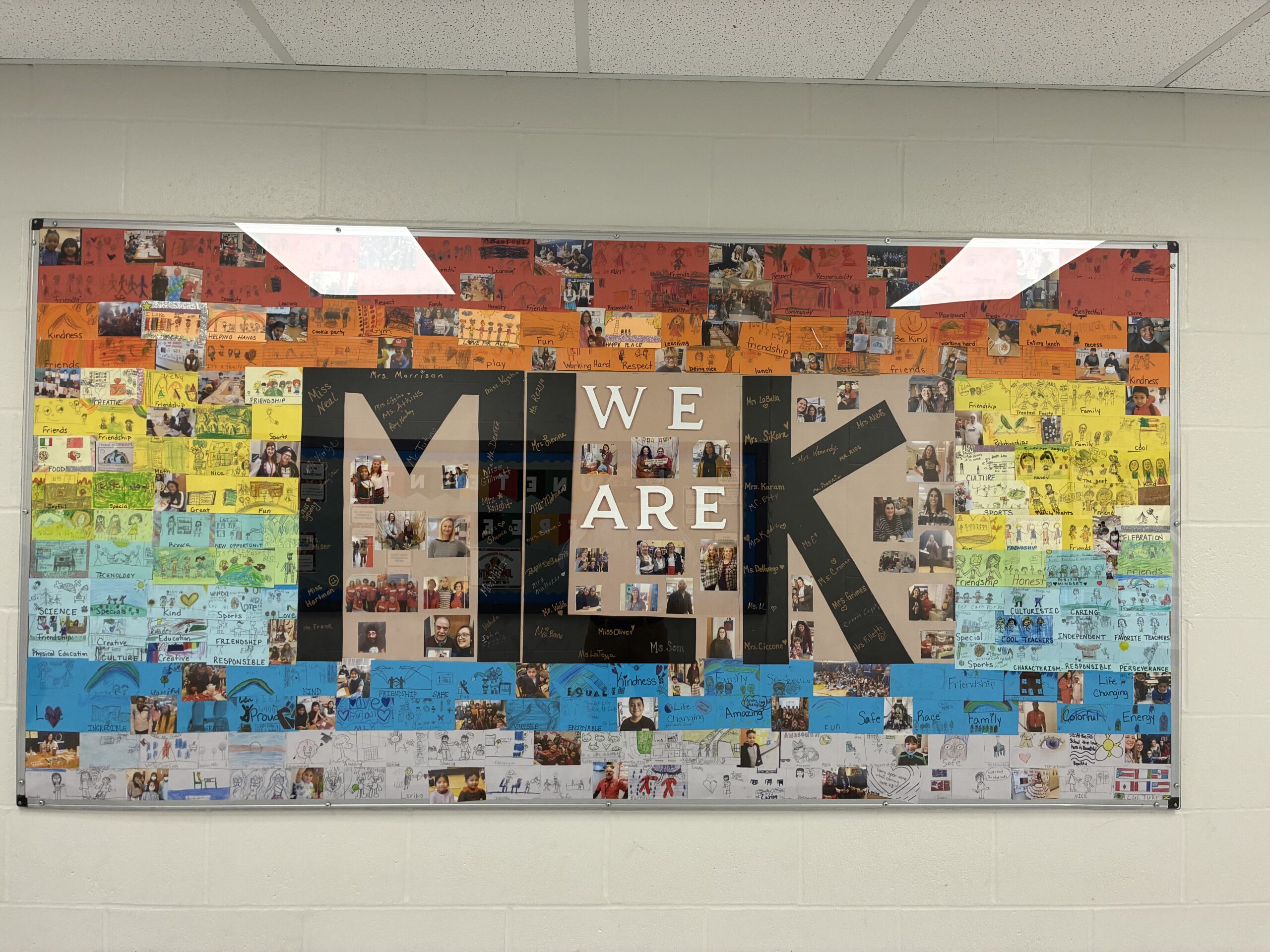
While acknowledging the challenges their students face, educators at MLK maintain an ethos of high expectations for all learners and deliver academic rigor aligned with the latest standards from New York State.
Alongside academics, MLK educators ensure that students’ social-emotional well-being and mental health needs are met through social-emotional learning programming, forms of restorative justice, and a Positive Behavioral Interventions and Supports (PBIS) system, while also drawing on the supports and resources provided through community partnerships.
You can read the full MLK case study here! Stay tuned for our cross-case report coming out soon… and be sure to follow us on LinkedIn, Facebook, Instagram, and Bluesky!
We welcome your feedback at nykids@albany.edu.
