“Fostering Leadership Resilience Through Collaboration and Community”: A Sneak Peek at Upcoming NYKids Presentations and Workshops at the University Council for Educational Administration Convention
As K-12 educators navigate increasingly complex educational landscapes, professional learning opportunities to foster collaboration and community have never been more critical. This year’s University Council for Educational Administration (UCEA) Convention promises to deliver cutting-edge insights and practical strategies through sessions led by some of the nation’s top education scholars and practicing professionals.
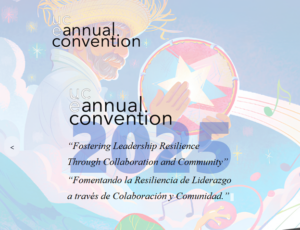
We’re excited to highlight three sessions that bring NYKids together with researchers from Grand Valley State University, University of Oklahoma, and our own home base – University at Albany, SUNY.
Why These Sessions Matter
While UCEA conventions often focus on higher education leadership and research, the sessions we’re spotlighting have direct implications for K-12 schools. Whether you’re a building principal, district administrator, curriculum coordinator, or school board member, the research and frameworks presented in these sessions can inform decision-making and leadership practice.
My (Kristen) colleagues and co-presenters—Elizabeth Zumpe, Deborah Schussler, and Matthew Missias—bring diverse perspectives and deep expertise in educational leadership, equity-focused collaborative improvement, and organizational change.
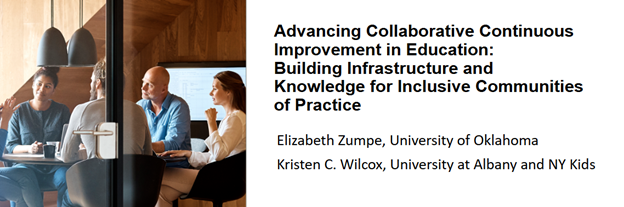
Session 1: Advancing Collaborative Continuous Improvement in Education: Building Infrastructure and Knowledge for Inclusive Communities of Practice, Facilitated by Kristen C. Wilcox and Elizabeth Zumpe (University of Oklahoma)
This community-building session creates space for P-20 educators to explore collaborative continuous improvement in education (CCIE)—an approach encompassing improvement science, design-based research, and solidarity-driven co-design. The session employs an opening framework to guide small group collaboration, where attendees will develop theories of action for advancing CCIE in their contexts, share knowledge across institutional boundaries, and create concrete action steps for sustaining a community of CCIE champions beyond the convention.
Questions this session raises:
- How might collaborative continuous improvement approaches help break down silos between K-12 and higher education in your region?
- What barriers prevent your school or district from engaging in systematic, collaborative improvement efforts?
- Who are the diverse stakeholders in your educational ecosystem that should be included in improvement conversations but currently aren’t at the table?
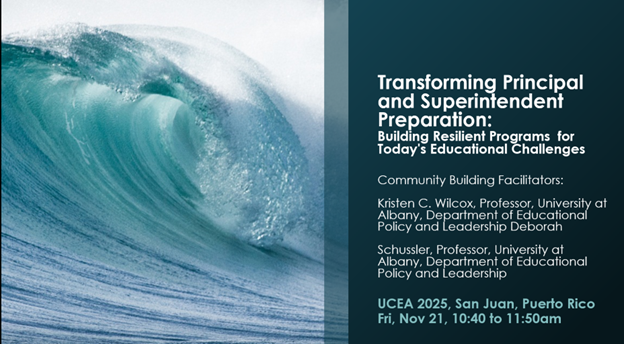
Session 2: Transforming Principal and Superintendent Preparation: Building Resilient Programs for Today’s Educational Challenges, Facilitated by Kristen C. Wilcox and Deborah Schussler (University at Albany, SUNY)
Did you know that the New York State Education Department made changes to requirements for school and district leader certification recently? In addition to these changes, demands on school and district leaders in the past several years have required re-examining how future leaders might be supported in entering into leadership roles and what is emphasized in leader preparation programs. The session emphasizes building leadership resilience—both for leadership program participants and the programs themselves—while fostering professional connections that strengthen preparation efforts.
Questions this session raises:
- What qualities and competencies do principals and superintendents need today that weren’t as critical a decade ago?
- How can your district partner more effectively with university preparation programs to ensure graduates are ready for real-world leadership challenges?
- In what ways might policy changes and DEI challenges actually create opportunities for strengthening leadership preparation and diversifying the leadership pipeline rather than just presenting obstacles?
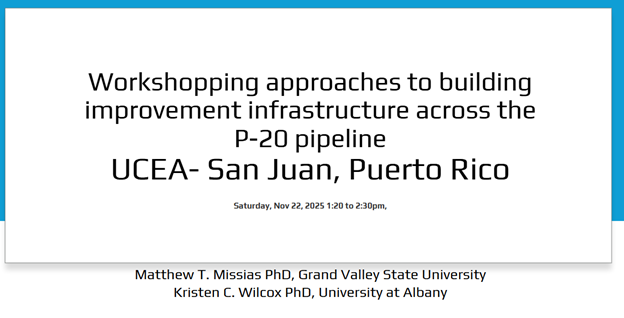
Session 3: Workshopping Equity-Oriented Continuous Improvement Approaches for Building School Improvement Capacity Across the P-20 Pipeline, Facilitated by Kristen C. Wilcox and Matthew Missias (Grand Valley State University)
This hands-on workshop equips P-12 and higher education professionals with practical tools for addressing equity challenges across the educational pipeline. University-school improvement hub leaders Kristen and Matt will guide participants through the use of tools and processes rooted in improvement science, including empathy interviewing and ecosystem mapping—techniques that help P-20 teams understand stakeholder experiences and identify leverage points for improvement.
Questions this session raises:
- What specific equity and access problems of practice would benefit from a P-20 collaborative approach?
- How might empathy interviewing and ecosystem mapping change the way you understand and address challenges faced by students, families, or educators in marginalized communities?
- What would it take to build a genuine, sustainable partnership between P-12 and local higher education institutions focused on equity and access?
If you would like NYKids to share one of these or other presentations or workshops with you or your organization, please reach out directly at nykids@albany.edu. Keep an eye out for convention highlights on Instagram, Facebook, and Bluesky!
