
New NYKids Research Results: What Do Parents Value Most in Positive Outlier Schools?
By, Oema Rambharose
We know what makes a school a persistent positive outlier from the point of view of school leaders and educators, but what do parents think? Do their values match what school leaders and educators believe is important and drives success?
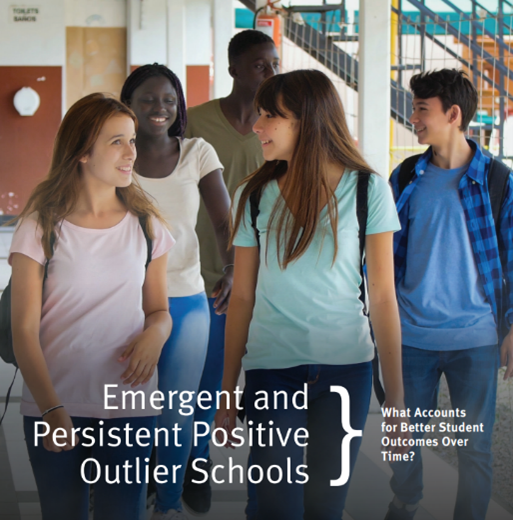 As a doctoral student in the Educational Policy and Leadership program at the University at Albany and an advisee of NYKids Director Kristen Wilcox, I had the opportunity to assist with a site visit to one emergent positive outlier school in the most recent NYKids study. With my interest in improving the educational experiences of ENL students and my work supporting families, as an ENL teacher, I was keenly interested in what parents’ value about their children’s educational experiences. Moreover, engaging families has continued to be an important priority for educators and policymakers especially in the wake of the COVID-19 pandemic.
I wondered: What factors do parents associate with a school being a positive outlier? Which practices do they find most meaningful or impactful? And how do parents help reinforce or sustain these practices within the school community?
To explore these questions, I conducted an analysis of 10 parent interviews and focus group data from the NYKids study focused specifically on parent perspectives and discovered some commonalities and differences among them.
Parent Voice: Why Is It Important?
Parental involvement in education gets a lot of attention these days. Research shows that when parents get involved in their children’s education, students tend to do better. Many studies look at ways to improve collaboration between families and schools as a promising approach.
We know from the research that parents can play a key role in student success, but the question remains: how can schools involve parents in ways that truly matter to parents themselves?
While most research focuses on boosting parent engagement, fewer studies have investigated what parents actually value. Understanding what parents value can help leaders and educators build stronger partnerships with parents and design improvement efforts that match family priorities.
What Parents Said They Value Most
Seeing my kids walk through the halls and then seeing other kids greet them with smiles and high-fives and hugs – it’s just very nice and reassuring to know that there’s other people in the school besides myself that love my child as much as I do.
– Crown Point Parent.
- A Safe and Welcoming Environment
Parents emphasized the importance of a warm, caring, and safe school. They value close relationships, small classes, and staff who know their children well. Many said their kids feel “at home,” at these exceptional schools.
- Rich Programs and Opportunities
Family members praised the wide range of activities, from STEAM and sports to leadership clubs and community projects. They noted that schools schedule programs to fit student needs, letting kids explore many interests. They also valued the focus on leadership and learning connected to their community.
- Academic and Individualized Support
Parents appreciated that teachers adapt to each child’s needs. They saw how staff push students to grow, focusing on strengths—not just grades.
- Strong Communication
Clear and consistent communication made families feel included and supported. Parents pointed to multiple ways they stayed informed—through apps like ParentSquare, emails, flyers, and quick follow-ups from staff. They appreciated that communication wasn’t one-sided. Schools listened and responded when the parents reached out.
- Shared Hopes and Dreams
Parents appreciated the alignment between their values and schools’ goals. They wanted their children to become kind, independent, and prepared for the real world. They appreciated it when staff modeled positive behavior and helped students build strong peer relationships.
- Clear Expectations
Parents knew what was expected of their children, both academically and behaviorally. They appreciated the structure and the high standards, seeing them as necessary for student growth.
What Was Mentioned Less Often
While parents sometimes mentioned mental health programs, school leadership, and their own involvement in school events or decision-making, these were not emphasized as much. Across all interviews, families mentioned some combination of the six bullets above a total of 149 times, reflecting strong and consistent appreciation for these themes. In contrast, the three things that families did not value were mentioned only 19 times and were rarely accompanied by rich or descriptive anecdotes, suggesting these areas were less salient or meaningful in their educational experiences. Some parents volunteered or joined committees, but few described making major decisions or influencing policy.
Parental Reinforcement
Parents support school practices by celebrating their children’s successes at home and encouraging them to join activities. They uphold values like kindness and independence.
When families attend award ceremonies or invest in programs like early college credits, they show what they care about. This encourages schools to keep or expand those programs.
By aligning their home values with the school’s, parents strengthen those values in the school community.
Key Take-aways from NYKids Positive Outlier Parent Study
Parents at persistent positive outlier schools appreciate many of the same things that school leaders and educators value: safety, opportunity, communication, and high expectations. But they also value the hopes they have for their children and the values they work to instill in them.
This research raises up parents’ voices in the conversation about what matters in a young person’s educational experience—adding important depth to our understanding. By listening closely to what matters most to parents, schools can strengthen partnerships and continue to grow in ways that support every student—and every family.
If you would like a copy of NYKids parent focus group protocol to use in your own school, please contact us at nykids@albany.edu. Keep up with NYKids on Facebook, Instagram, and LinkedIn!
