
Teaching Compassion in P-12 Education: Reflections and Research Highlights
by Jessie Tobin
In 2025, how have the roles of P-12 educators changed?
The approaching new school year has likely inspired some reflection about the purposes school serves for young people. While there probably isn’t a single “correct” answer to this question, educators continue to adapt their roles to ensure youth are prepared for the future.
 In today’s world, youth encounter a continuous stream of information via social media and livestream news outlets. Amid global economic and political struggles, youth also experience circumstances in their local contexts, which require community support.
Many scholars and education professionals advocate for school and classroom practices that encourage youths’ healthy development into thriving adults. This comes at a time when schools are responding to increasing demands for evidence of the value of a P-12 education.
In addition to the traditional focus on academics, a strong concern has centered around helping young people develop the necessary skills and competencies to manage the multiple facets of their lives – mentally, emotionally, socially, and even spiritually. According to Positive Youth Development (PYD) researchers, one key competency is that of compassion. Fostering compassion may give youth necessary tools to empower themselves, face hardships and challenging relationships, and contribute to their surrounding environments in meaningful ways.
Teaching Compassion in Schools
Compassion is defined as the “sympathetic consciousness of others’ distress together with a desire to alleviate it.” In other words, compassion involves the recognition of others’ pain combined with the actions individuals take to help them. Youth can learn compassion in schools in several ways. Here are just a few examples of compassion-building practices highlighted in media reports and research.
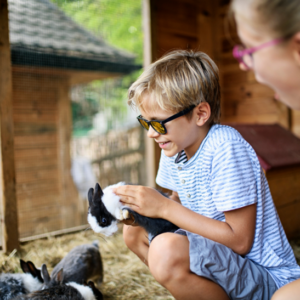
- Fostering Compassion Early: Compassion is considered empathy in action. Since empathy is an understanding of others’ feelings, children can learn about caring for others based on these feelings they have at an early age. One practice could involve saying kind words or reaching out to peers if they are left out. Some practitioners have suggested that bringing a pet in the classroom is a great way for children to learn responsibility and care for another being.
 Awareness and Modeling Compassion: Children can exhibit challenging behaviors in the classroom which are often driven by non-academic barriers (such as mental health struggles, traumas, and poverty-related stress). It is important for teachers to understand how these challenges can impact young people and prioritize compassion in their pedagogy through trauma-informed care. While teachers practice compassion, they can also model caring and kindness for youth. This can look like checking in with children about their lives outside of school, giving daily positive affirmations, and complimenting their achievements.
- Compassion through Community: In addition to showing compassion, youth can learn by doing themselves. Some ways for young people to develop this critical skill is going out into the community and volunteering. Some examples include participating in food drives and helping families in need.
Connecting Compassion in NYKids’ Study
Research points to several ways to instill compassion in pedagogy and foster compassion among young people. In NYKids’ latest study on Emergent and Persistent Positive Outlier Schools, we found several practices educators at positive outlier schools used to foster compassion. Here are a few examples:
- Focus on caring relationships: Educators across contexts echoed a common priority of building connections and relationships with their students as a pre-requisite to effective teaching. This encompassed learning about students’ lives outside of class, ensuring youth feel safe through practices that promote belonging, and building trust. As caring professionals, educators also encouraged students to have caring relationships with each other through more formal avenues such as mentor programs and establishing class dialogue that touches on critical topics and encourages perspective taking.
*Read more about school initiatives encouraging compassion such as “Sweethearts and Heroes”, “Lunch Bunch” groups, and Panther Mentors in our case study on Crown Point Central School.
- Community is key: Educators in our study voiced the importance of establishing strong community bonds and developing relationships with students’ families, noting the importance of communicating with family members by providing them with positive information about their child outside of academics. Additionally, educators established long-lasting bonds with families through being present in community activities (i.e., coaching sports) and showing care for youth in multiple settings outside of class.
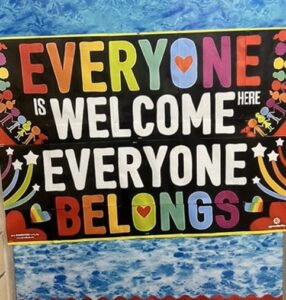
They [Malverne educators] were so intentional about getting information from the general population as to what the needs are, what’s important to the community, what are some of the positives as well as the negatives so that they can improve on them. There were a lot of surveys that were sent out, some included just the students, some were for students and staff, some were for students, staff, and parents. We definitely did see them [Malverne educators] use that information to add certain programs and just make minor changes around the school that had a big impact on the student population. – Parent, Malverne Senior High School
- Youth wellbeing comes first: In the context of increasing mental health challenges facing youth, educators met these rising struggles by ensuring youth have access to multiple avenues of support. Social Emotional Learning (SEL) programs were integrated into educators’ curricular content. Aligning with the growing calls for trauma-informed practices among education researchers, one teacher from Brookfield Central School made a notable comment about youth wellbeing: “We care about them [students] as human beings before we educate them.”
Key takeaway: The above themes indicate that fostering compassion among youth and contributing to their healthy development involves a whole school approach – as compassion-oriented practices become ingrained in school culture and part of young people’s daily environments.
Thank you for your continued interest and support for NYKids. You can learn more from our latest study and access research-backed resources through our website. Stay tuned for our future blogs highlighting important back-to-school topics for the upcoming school year!
